The conventional path for funding a sprawling American data centre portfolio runs through Wall Street institutions, sovereign wealth funds, and a handful of deep-pocketed private equity names. SoftBank is trying something different with SB Energy, and the question worth asking today is not whether the IPO succeeds but whether the funding structure behind it becomes a template.
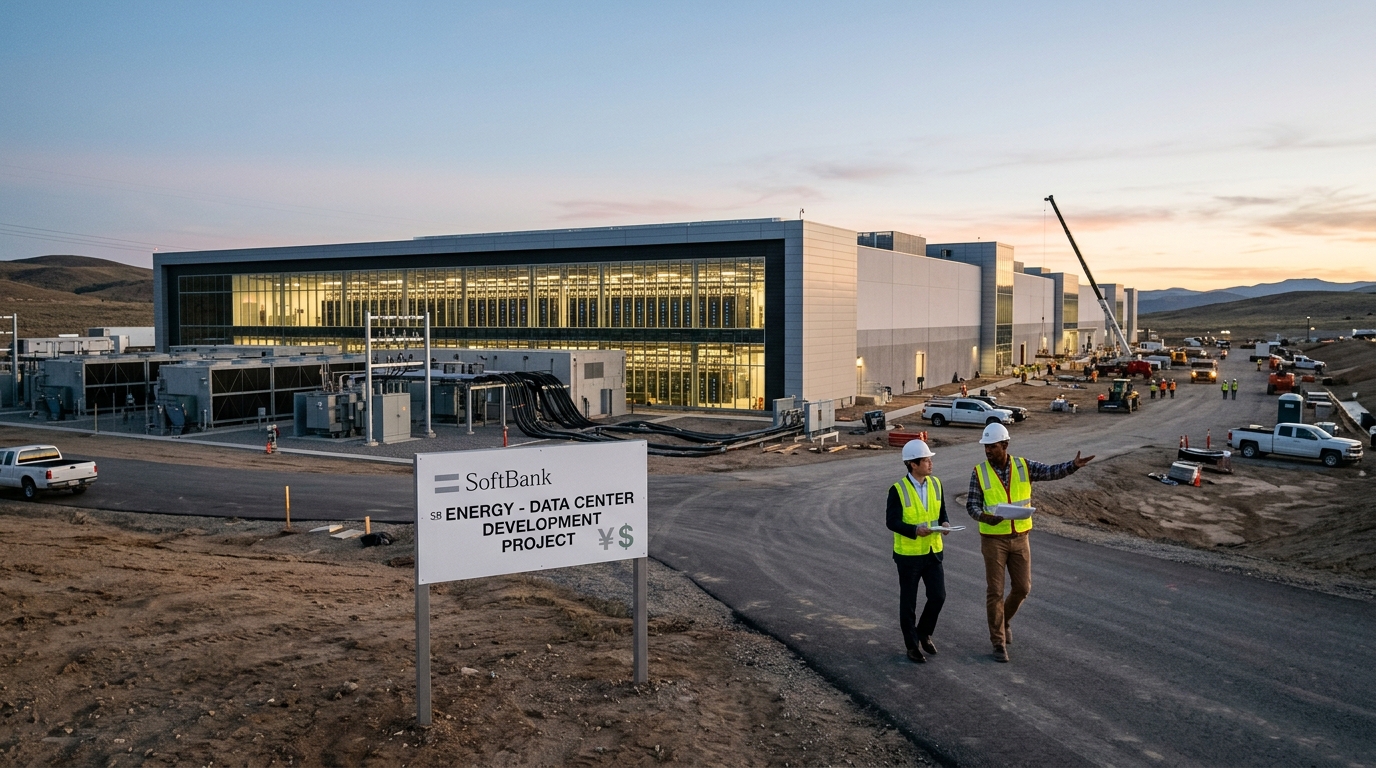
SB Energy, backed by SoftBank Group, will sell up to $500 million in shares to Japanese investors as part of a public listing in the United States. The company will start taking investor orders as early as this month, according to a local regulatory filing filed Tuesday. The proceeds are earmarked for a specific purpose: the funds will be used for general operating costs for developing data centres, power generation and related infrastructure projects.
The playbook here is deliberate. The plan taps into Japan’s household financial assets, which the Bank of Japan has recently reported at 2,386 trillion yen (about $16 trillion at recent exchange rates). It is similar to the retail allocation model used in SpaceX’s June 2026 IPO. SpaceX raised about $2.2 billion from Japanese investors, one of a few markets where retail investors were able to directly participate. SoftBank is repeating that structure, pulling domestic capital toward an American infrastructure buildout at a moment when few retail investors anywhere have a direct route into the AI data centre trade.
The strategic logic compounds. A successful listing of SB Energy presents a major windfall for SoftBank, especially given that OpenAI’s chief executive said in a Fortune interview published on September 12, 2026 that OpenAI will not go public this year. SoftBank Group shares rebounded on Tuesday after a prior-session selloff, but the specific percentage moves vary by venue and timestamp and are best treated as intraday colour rather than a pillar of the thesis. The parent needs this listing to work, and routing $500 million through Japanese retail creates a politically useful domestic ownership story alongside the financial one.
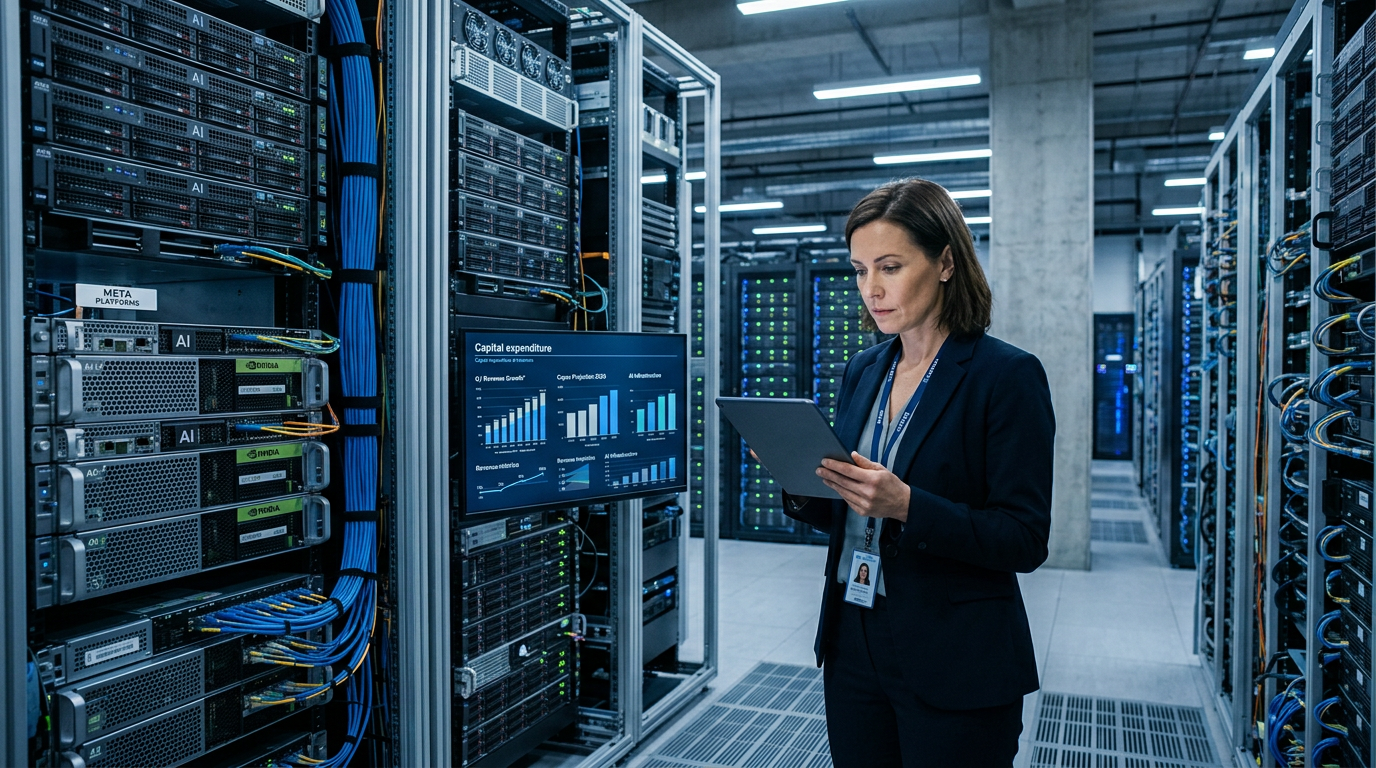
What makes SB Energy worth studying beyond the funding mechanics is the underlying business. The company combines data centres and power infrastructure, with 8.8 gigawatts of data centre capacity contracted or under construction across campuses in Texas and Ohio. Nvidia has committed to invest $1.5 billion in a private placement at the IPO price, and OpenAI has been issued warrants worth roughly $5.5 billion. Those are not passive endorsements. They are structural commitments that bind the most important names in AI infrastructure directly to SB Energy’s fortunes.
The risks are equally specific. SB Energy said in its filing it is “substantially dependent” on the performance of OpenAI as both a tenant and equity investor. None of SB Energy’s data centres are operational yet, and the company reported a net loss of about $3.2 billion on roughly $139 million of revenue in the first half of 2026. Revenue is growing fast, up 66.4% in the first half of 2026, but that growth runs almost entirely on contracted future demand rather than cash already collected. A long-term investor has to trust both the AI infrastructure buildout and OpenAI’s ability to absorb the capacity.
The broader question this raises for the market is who copies the structure. SB Energy is pursuing a Japan retail tranche, and its filing also contemplates other distribution channels outside the core U.S. institutional book. The company is explicitly building a geographically diversified retail base alongside its institutional book. That is a meaningful departure from how mega-cap infrastructure deals typically get done, and it suggests a wider pool of future capital if the model is validated here. Any sponsor with a Japanese parent, a UK footprint, or a trusted local brand could replicate the approach for the next generation of AI power assets.
SoftBank may seek a valuation of $50 billion for SB Energy, Reuters has reported. At that figure, the $500 million Japanese retail tranche is a rounding error on the total equity raised. Its significance is structural, not numerical. The question disciplined investors should ask is whether this financing innovation is worth paying up for, or whether the valuation already prices in a confidence that the operating track record has not yet earned.