Cal-Maine Foods posted a net loss of $58.6 million for its fiscal first quarter ended August 29, 2026, a stunning reversal from the $199.3 million profit it reported in the same period a year ago. The loss came to $1.26 per diluted share. Wall Street was not prepared: Cal-Maine missed expectations on both earnings and revenue, reporting a loss of $1.26 a share against a forecast loss of 47 cents.
The culprit is straightforward. First-quarter performance reflected an abundantly supplied egg market following industry layer flock repopulation during fiscal 2026, and the resulting increase in egg supply, together with historically softer seasonal pricing, drove a 59.3% decrease in average conventional shell egg selling price per dozen, while volume remained roughly flat. Segment loss was $71.0 million, compared with segment income of $168.2 million in the prior-year period. That is a $239 million swing in one segment, in one quarter, driven largely by price.
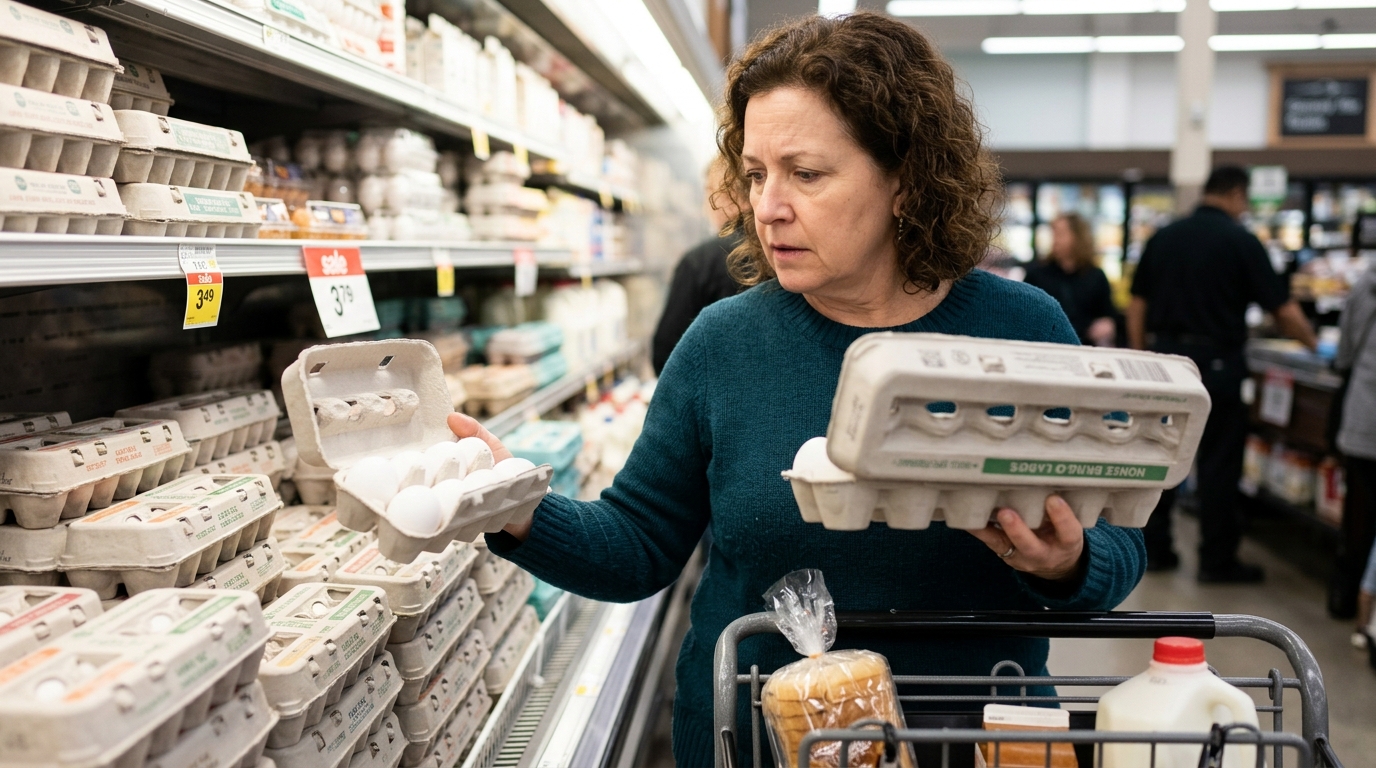
For readers budgeting at the grocery store, this is the other side of welcome news. Retail egg prices were 23.0% lower in August 2026 than in August 2025. The recent decline in wholesale egg prices primarily reflects improved egg supply following HPAI disruptions in fiscal 2025, and improved pipeline availability appears to have reduced the need for accelerated purchasing by retailers, while retail shell egg prices have adjusted more gradually. The consumer gets cheaper eggs. Cal-Maine absorbs the margin compression.
What makes this quarter instructive for investors is not the loss itself, but the structural question it raises. Cal-Maine remains virtually debt-free, and the company maintained a debt-free balance sheet even while navigating a sharp year-over-year decline in sales and profitability. A leveraged producer facing this pricing environment would face an existential threat. Cal-Maine faces a difficult cycle. That is a meaningful distinction, and it is why the stock warrants a different analytical frame than most commodity businesses.
Despite the cyclical headwinds, specialty shell eggs and prepared foods now represent approximately 54% of net sales, up from 37% in the prior-year quarter. This is the company’s deliberate hedge against exactly the kind of quarter it just reported. The drive into prepared foods reflects Cal-Maine’s acquisition of breakfast foods maker Echo Lake Foods, completed in June 2025, which makes ready-to-eat egg products including waffles, pancakes, scrambled eggs, frozen cooked omelets, and egg patties. The Van’s brand and Eggland’s Best franchise territory in the Northeast have followed. None of it offset a 59% price collapse in the core segment this quarter, but the trajectory is clear.
Urner Barry conventional egg prices averaged $1.025 during the first quarter of fiscal 2027, down from $1.075 in the fourth quarter of fiscal 2026, and the quarter-to-date average for the second quarter stood at $0.899 as of September 23, 2026, indicating continued pricing pressure. That is not a recovery signal. Investors considering CALM need to assess whether the specialty and prepared foods mix can grow fast enough to change the earnings profile before conventional prices mean-revert on their own timeline.
For portfolio construction purposes, Cal-Maine fits a specific role: a commodity-cycle company with fortress financials that can survive trough conditions without diluting shareholders or taking on debt. Retailers like Kroger and Walmart benefit directly from lower egg costs on the procurement side, though consumers buying those cheaper cartons are also spending cautious budgets elsewhere. The egg deflation showing up in CALM’s income statement is real relief for household grocery bills. The question investors must answer is whether that relief lasts long enough to punish the stock further, or whether flock sizes stabilize and the cycle turns before the market expects it.
Commodity businesses always look worst at exactly the moment they deserve patient attention.