September 18, 2026
Bonus Content: US Energy and Farm Goods Are the Real Trade at Stake
Marvel was valued at $54 billion. Star Wars at $181 billion. And Pokemon at $115 billion.
What do they have in common? IP with a passionate fanbase.

And that’s great news for companies like Skybound Entertainment.
Skybound is one of the few companies that have successfully struck deals with major streamers and studios while keeping 250 of their own IP properties and the profits across gaming, merchandise, and licensing.
The opportunity to own a piece of it closes soon.
Here’s how they use that IP to create global franchises: They create the comics, where audience response helps shape their next breakout hits, then scale the strongest stories through TV and film, and monetize through releasing games, merchandise, and more. The Walking Dead and Invincible are just two big names in their portfolio.
Now you can own a piece of what’s next. Final days to invest before the opportunity ends.
US Energy and Farm Goods Are the Real Trade at Stake
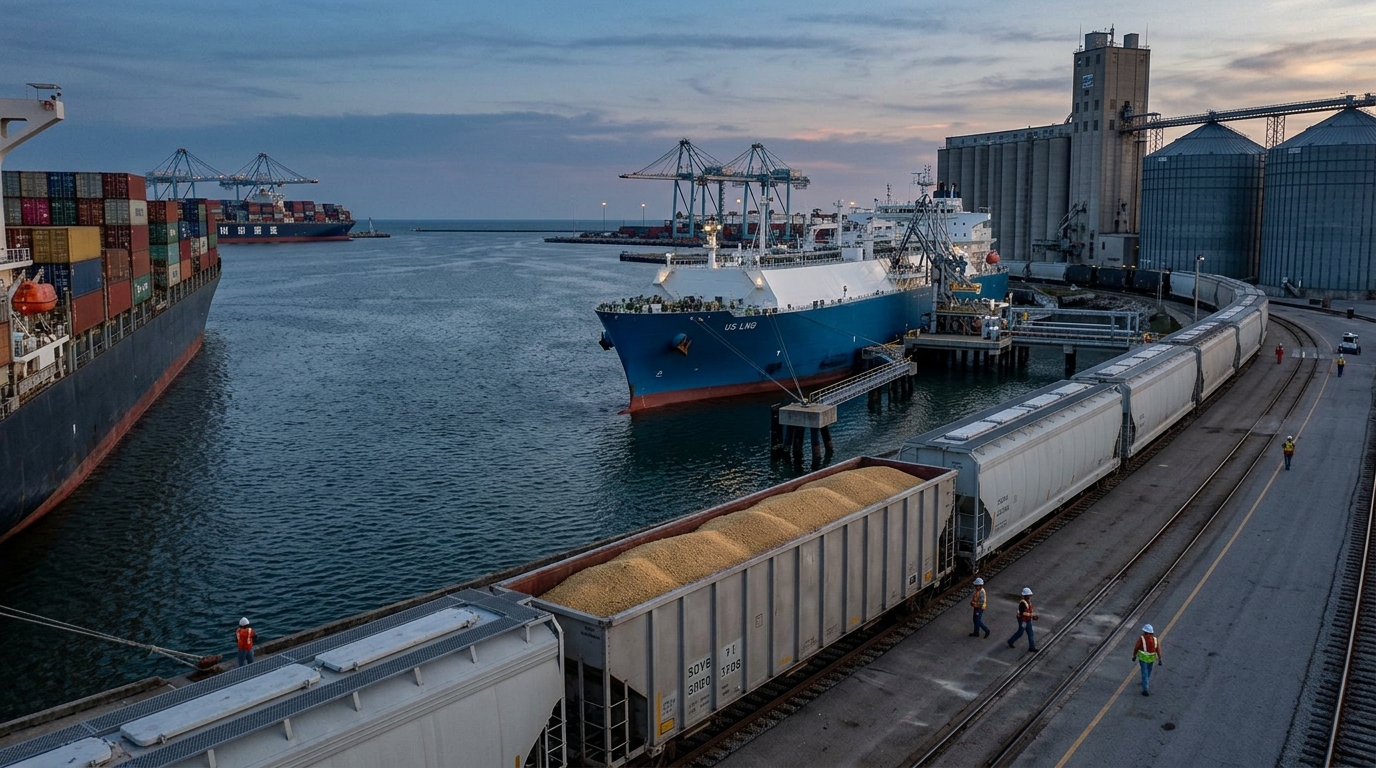
Six days. That is what separates the market from a Trump-Xi summit that could meaningfully shift soybeans, liquefied natural gas equities, and China large-cap funds in a single session. Traders who wait for the headline will be too late.
What Is Actually Being Negotiated
The US and China are eyeing tariff cuts on goods including American energy and agricultural products ahead of next week’s leaders’ summit, with those moves expected to be carried out under an earlier plan for reciprocal reductions on roughly $30 billion in trade, with most-favoured-nation rates applied to some items from China. The meetings are also likely to result in an agreement to cut duties on Chinese inputs for manufacturers.
Treasury Secretary Scott Bessent confirmed Tuesday he will meet his Chinese counterpart He Lifeng this weekend ahead of the summit between President Trump and Xi Jinping set for Sept. 24 in Washington. Highlighting the central role that agriculture is likely to play, representatives from state-owned food trading firm Cofco have been discussed as potential members of Xi’s delegation when he travels to the US. That detail matters: Cofco’s presence at the table is a signal, not just symbolism.
US Trade Representative Jamieson Greer said agriculture is expected to figure in the Trump-Xi talks and that the two governments could make announcements involving agriculture and non-tariff trade barriers.
The Soybean Trade
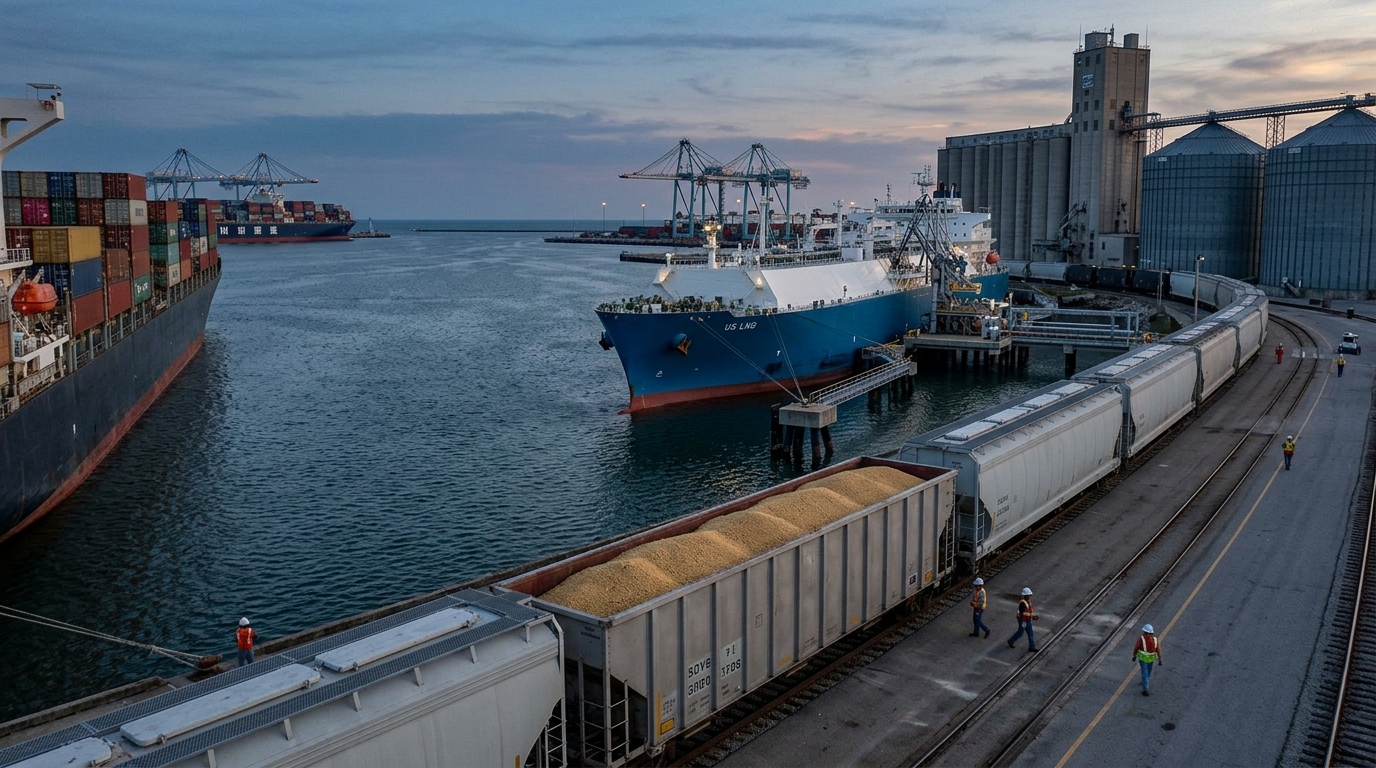
Soybeans are the most direct expression of this thesis. CBOT soybean futures firmed after choppy trade on Wednesday on expectations that Bessent would meet with his Chinese counterpart this weekend, with November soybeans settling at $13.20-1/2 per bushel. The USDA has already turned constructive on fundamentals: the department raised its projected 2026-27 average farm price to $12 a bushel, up 60 cents from August, and cut its forecast for ending stocks to 310 million bushels.
History is instructive here. When the last Trump-Xi summit produced a trade breakthrough in October 2025, trade talks between the US and China, along with a meeting between Presidents Trump and Xi, resulted in a temporary agreement on tariffs that opened the door for China to purchase US oilseeds, driving a sharp rally in the continuous soybean futures contract over the following weeks. The Oct. 2025 move came from a lower base. Current prices reflect some optimism but are far from pricing in a confirmed purchase commitment.
LNG: The Tariff Overhang and What Breaks It
The LNG picture is more nuanced but equally compelling. China has kept a 15% tariff on US LNG in place while suspending an additional 24% tariff on American goods for one year. That 15% levy is the central obstacle to a full resumption of direct shipments. Even so, the commercial reality is shifting: China Gas Holdings agreed to buy 500,000 metric tons of LNG each year from Venture Global beginning in 2030, a deal announced just ahead of Xi’s expected state visit to Washington.
Cheniere Energy (NYSE: LNG) is the most liquid way to trade a tariff reduction on the energy side. Q2 2026 saw adjusted EBITDA of $1.8 billion and a 20% year-over-year increase in LNG exports. Any tariff reduction that clears the way for resumed direct Chinese purchases removes a structural ceiling on near-term volume and sentiment.
FXI and the Broader China Exposure
FXI, the iShares China Large-Cap ETF, reached a session high of about $34.24 on Sept. 16. The fund is down about 10% year-to-date, which means the summit is arriving with the fund sitting well below its 52-week peak near $42. A confirmed tariff package gives institutional investors a catalyst to rebuild exposure before year-end.
Risk Dashboard
The two sides hold divergent views on whether to extend the one-year trade agreement, with China hoping for a longer extension while Washington has signaled a shorter one. That gap is the biggest deal-breaker risk. A summit that produces only vague language and no concrete tariff action would reverse pre-positioning sharply, particularly in soybeans, which have already moved in anticipation.
Trader’s Action Plan
The highest-conviction window is now through Sept. 23. If the Bessent-He Lifeng weekend meeting produces a concrete framework, expect soybean futures and Cheniere to gap higher before the summit even opens. The risk is binary: a deal delivers, or it doesn’t. Size positions accordingly, keep stops defined, and treat any rally into the Sept. 24 announcement as a potential exit point rather than an entry.