
Oracle has one of the largest contracted revenue pipelines in enterprise technology, and the stock is trading near its lowest levels since late 2024. That gap is the entire investment argument, and September 10 is when it gets tested.
Fiscal Q1 2027 earnings arrive after the close on Thursday. Wall Street expects $19.13 billion in revenue, roughly 28% growth year over year, and earnings of $1.74 per share. The options market is pricing an 11% move in either direction, a meaningful implied range for a company with a roughly $465 billion market cap.
The Business
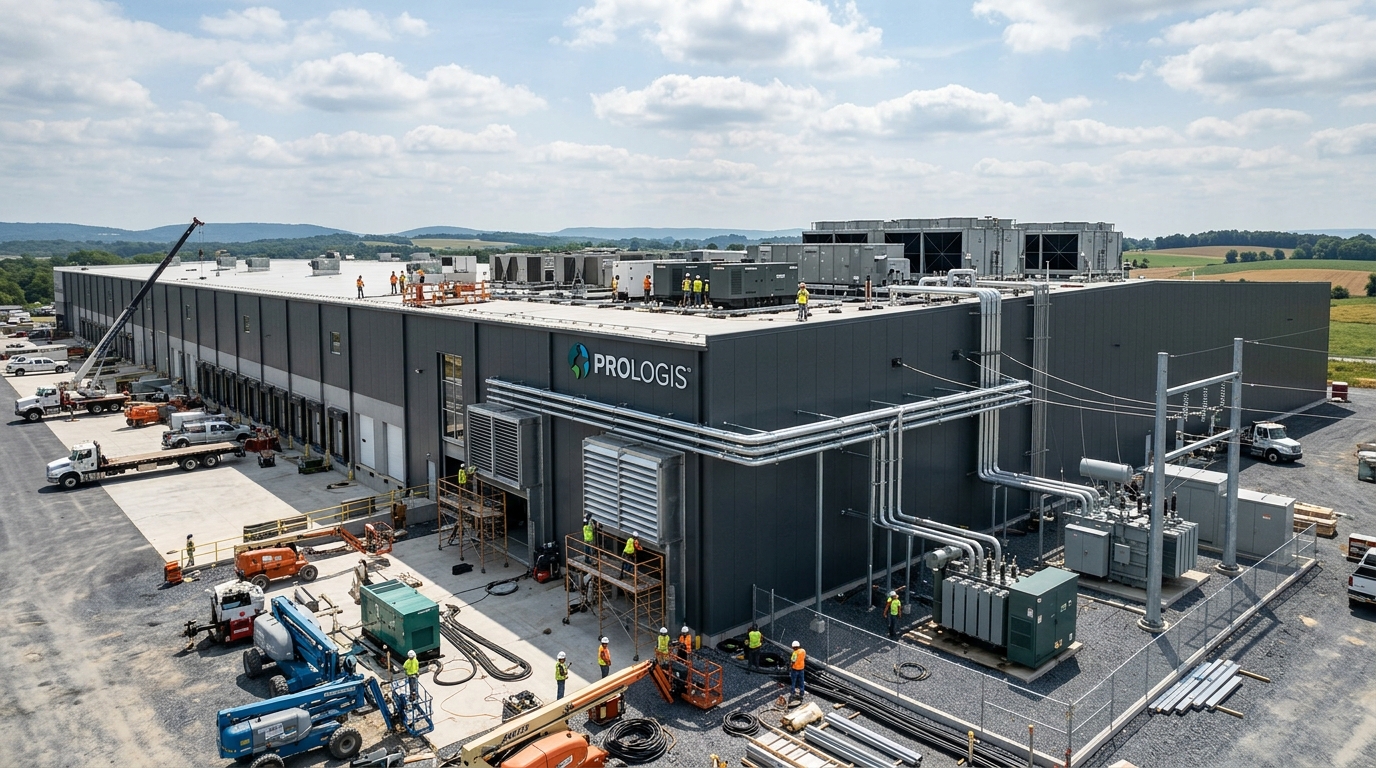
Oracle built its franchise over decades on enterprise database software. In the last two years, under CEO Safra Catz, it has repositioned itself as an AI cloud infrastructure provider, with Clay Magouyrk running Oracle Cloud Infrastructure. Oracle Cloud Infrastructure counts AMD, Meta, OpenAI, and xAI among its customers. The pivot is real. Cloud infrastructure revenue grew 93% in the fiscal fourth quarter of 2026, and the company exited fiscal 2026 with $638 billion in remaining performance obligations, a 363% increase year over year representing roughly 9.5 times its projected annual revenue.
Why Wall Street Is Paying Attention
That backlog is the bull case in a single number. Guggenheim analyst John DiFucci carries a $400 price target, which would require the stock to more than double from current levels. Morgan Stanley raised its price objective to $210 and Bank of America maintains a Buy with a $240 target. The argument is that Oracle is front-loading infrastructure costs in a way that looks ugly on a free cash flow statement now but converts into high-margin recurring cloud revenue over a multi-year horizon.
Q4 fiscal 2026 results, released in June, reinforced the demand side. Total quarterly revenue grew 21% to $19.2 billion. OCI surged 93% to $5.8 billion. Non-GAAP EPS of $2.11 beat the $1.89 consensus by 11.6%.
What’s Driving the Opportunity
The discount in the stock comes from one place: capital expenditures. Oracle burned $55.7 billion in capex in fiscal 2026 against $32 billion in operating cash flow, producing negative free cash flow of $23.7 billion. It then said on its June earnings call that it expects around $70 billion in net cash outlay for capital expenditures in fiscal 2027 and said it expects to raise approximately $40 billion in combined debt and equity. That is the number that sent the stock down nearly 20% year to date and prompted its worst weekly performance since 2001.
Thursday’s report needs to show that cloud growth is arriving in the guided 58% to 64% range and that the capex cycle is converting into signed, deploying contracts rather than open-ended infrastructure commitment.
What Could Go Wrong
The bear case is structural. Free cash flow is negative and accelerating negative, Oracle is competing with AWS, Azure, and Google on their own turf, and the planned equity raise introduces meaningful dilution risk. If GPU sourcing costs pressure the 30% to 40% OCI margin profile management has advertised, the entire investment thesis changes shape. Deferred revenue in cloud applications has outpaced recognized revenue for two straight quarters, a pattern that looks encouraging until contracts slip or cancel.
The Bottom Line
A $638 billion backlog trading at a $465 billion market cap is a rare situation. It only makes sense as a discount if the market believes a significant portion of that backlog will not convert at the margins management projects. Thursday’s Q1 report is the first real test of that conversion. The set of conditions is asymmetric enough that the earnings call deserves close attention regardless of which side of the trade you are on.