October 5, 2026
Bonus Content: Airtel Money Priced Below Talk. What the Oct. 14 Debut Says About London’s IPO Window.

Patriots’ Most Trusted Gold Company
Since 2000, Gold Is Up 1,395%. The S&P Is Up 425%.
For U.S. savers age 55+ with $50,000 or more in an IRA, 401(k) or savings. Free of charge, no obligation to buy anything.
Same twenty-six years. Same two dot-com and 2008 collapses. Two very different lines on the chart.1,2 Most Americans have never seen them put side by side – and almost nobody was told they are allowed to hold the better-performing one inside a retirement account.
Two lines on the same chart
In December 1999 gold traded near $290 an ounce and the S&P 500 closed the year at 1,469. Since then gold has multiplied roughly fifteen times over. The S&P has multiplied about five.1,2
Be fair about the comparison: that S&P figure is the price index and does not include reinvested dividends, which would lift it meaningfully.2 Even allowing for that, the gap over a quarter century is not a rounding error.
The reason has less to do with gold than with the dollar. Over those same twenty-six years the money supply expanded, two crises were met with emergency printing, and the national debt crossed $40 trillion. Gold did not get more valuable so much as dollars got less so – and gold is the one asset that cannot be issued by anybody.
Right now gold sits below its January 2026 peak while the world’s central banks keep adding more than a thousand tons a year, and published bank targets still run from roughly $4,900 to $6,300.3,4 Those are opinions, not promises. But a quiet stretch is a better time to read up than a panic. Get the free 2026 Gold IRA Guide.
The free 2026 Gold IRA Guide walks through exactly how a rollover from an IRA, 401(k) or TSP works, which metals the IRS allows, how insured depository storage works, and the mistakes that cost retirees the most. It is free and it takes about thirty seconds to request.
Claim Your Free 2026 Gold IRA Guide →

Rock legend Ted Nugent and former White House Press Secretary Sean Spicer are official endorsers and clients of Bishop Gold Group. 10 years in business ⢠5-star rated on Trustpilot and Google ⢠Mint Authorized Dealer
Prefer to speak to someone? U.S.–based specialists, no pressure, no jargon.
Mon-Fri ⢠7am-5pm PT
Sources
1 LBMA gold price, 31 December 1999 ($290.25/oz) to September 2026. Past performance is not a guarantee of future results.
2 S&P 500 price index, 1,469.25 close on 31 December 1999 to 7,707 in September 2026 – a price-only comparison that excludes reinvested dividends, which would raise the S&P figure materially.
3 Published year-end gold price forecasts as reported 2026: Goldman Sachs, J.P. Morgan, UBS and Bank of America, spanning roughly $4,900–$6,300/oz. Analyst forecasts are opinions, not guarantees.
4 World Gold Council, Gold Demand Trends, annual central bank net purchases 2022-2024.
Past performance is not a guarantee of future results. Precious metals are volatile and can decline in value. This comparison is historical and is not a prediction or a recommendation to buy or sell any asset.
Airtel Money Priced Below Talk. What the Oct. 14 Debut Says About London’s IPO Window.
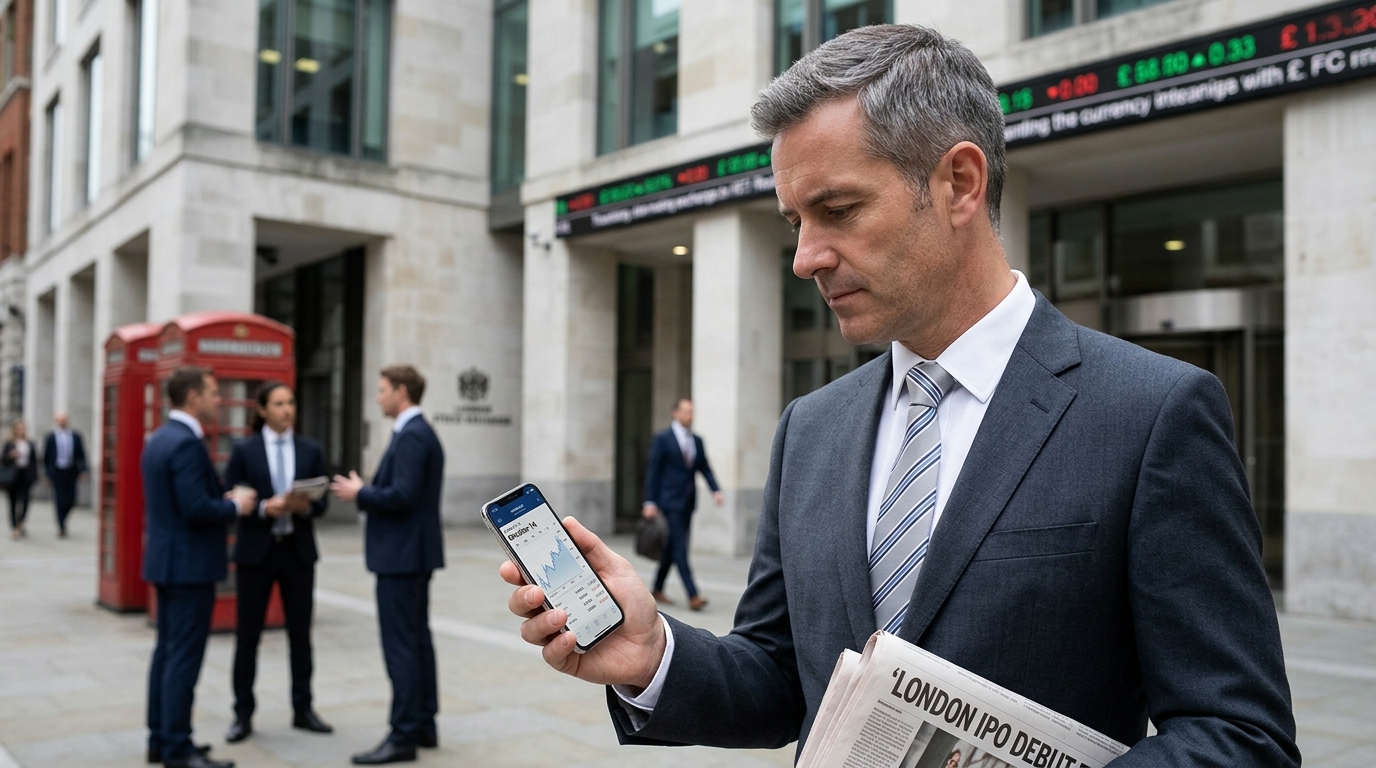
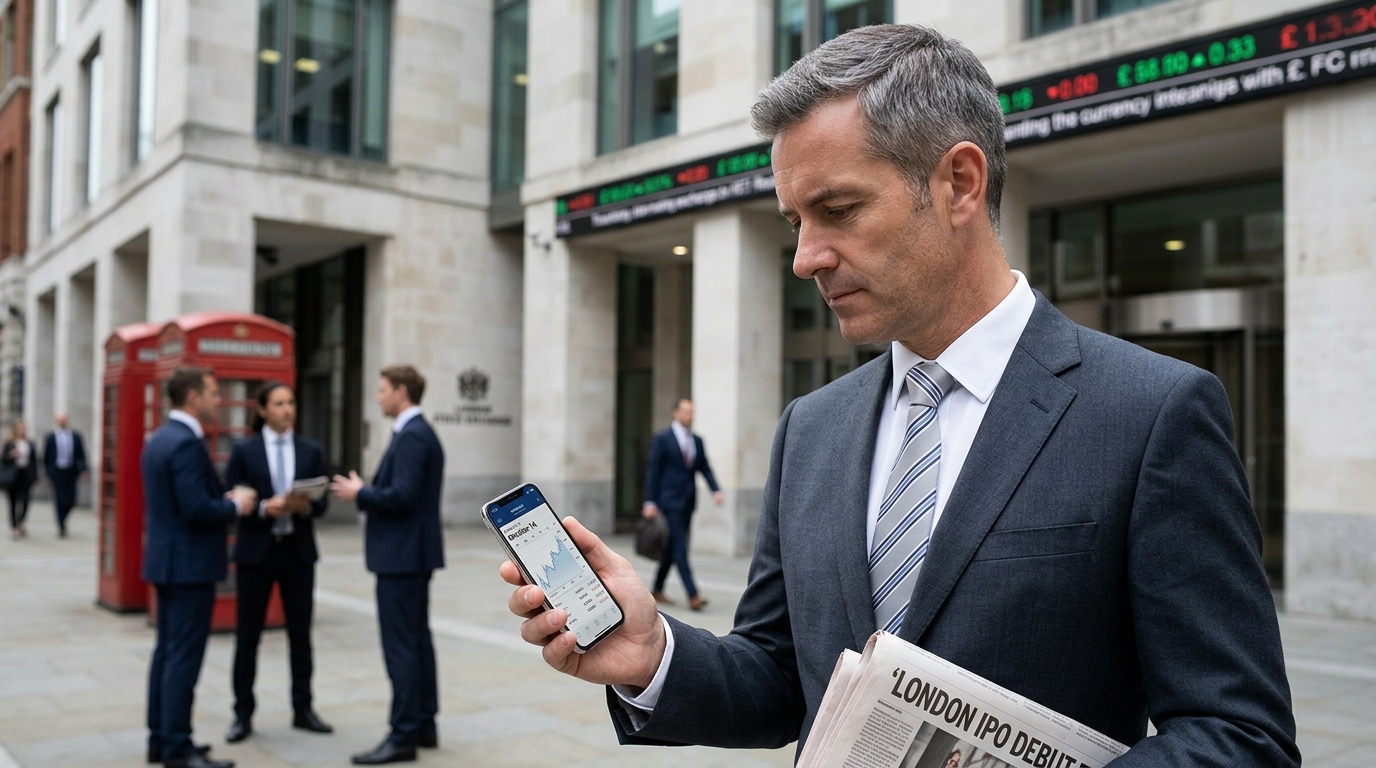
Airtel Money is looking to raise £529 million for its shareholders in what could be London’s biggest initial public offering in five years. That alone makes October 14 a date worth circling. But the number that matters most heading into next week’s debut is not the headline raise, it is the gap between where bankers hoped to price the deal and where they actually landed.
Existing investors including the Qatar Investment Authority and Mastercard are selling shares at a fixed price of £1.96, giving Airtel Money a market value of £5.3 billion, lower than the $8 billion to $9 billion range reported previously, implying a discount to boost demand. That compression is the tell. When a company with the scale and growth credentials of Airtel Money still has to cut its ask by up to 20% to get a deal done, the window is open but it is not wide.
As of June 2026, Airtel Africa reported that Airtel Money had 56.5 million customers, annualised total processed value of over $245 billion, and quarterly mobile money revenue of $404 million. Those are real numbers, not aspirational ones. This marks the first time the market has put a public price on Airtel Africa’s fastest-growing business, after years of turning mobile money into a major part of the group’s financial story. The business is not speculative. The discount reflects the venue, not the asset.
London’s struggle to attract and hold large listings is well documented, and 2026 has been uneven. EY-Parthenon reported that seven UK IPOs raised £577 million in the first half of 2026, as UK markets showed signs of recovery. Against that backdrop, Airtel Money’s scale is a genuine statement of intent for the exchange.
One analyst noted that the deal is “a sign that London can still attract a sizeable international IPO, but it also shows that this is a buyer’s market in which companies have to be realistic about valuation.” That framing cuts both ways. A successful debut at £1.96 would validate the LSE’s pitch to international issuers shopping their fintech assets. A messy first week would reinforce every reason those same companies look elsewhere.
The IPO is expected to result in approximately 16.5% to 17.5% of Airtel Money’s shares being held in public hands, potentially qualifying it for FTSE UK index inclusion. That float level is thin. Index eligibility would bring passive buying that could underpin the price once unconditional trading begins, but the market has to get there first. Conditional trading is expected to commence by October 9, with unconditional dealings scheduled to begin at 8:00 am London time on October 14.
The relevant question for traders is not whether to hold Airtel Money shares, the float is small, the free float thinner still, and parent Airtel Africa (AAF.L) remains the cleaner expression of the group. The question is what the debut price action signals about Q4 risk appetite on the LSE. A deal that prices below talk but trades up on day one tells you the window is real. A deal that prices below talk and then slips further tells you institutional buyers are still in wait-and-see mode, and the rest of the pipeline will feel it.
Watch October 14. Not as a trade, but as a read on whether London’s recovery in listings has genuine depth or is still running on hope.